


Clinical trials show we keep improving the scientific method
In brief: slowing Russian advances, Microsoft backs Anthropic, and more
The myth of American religious revival
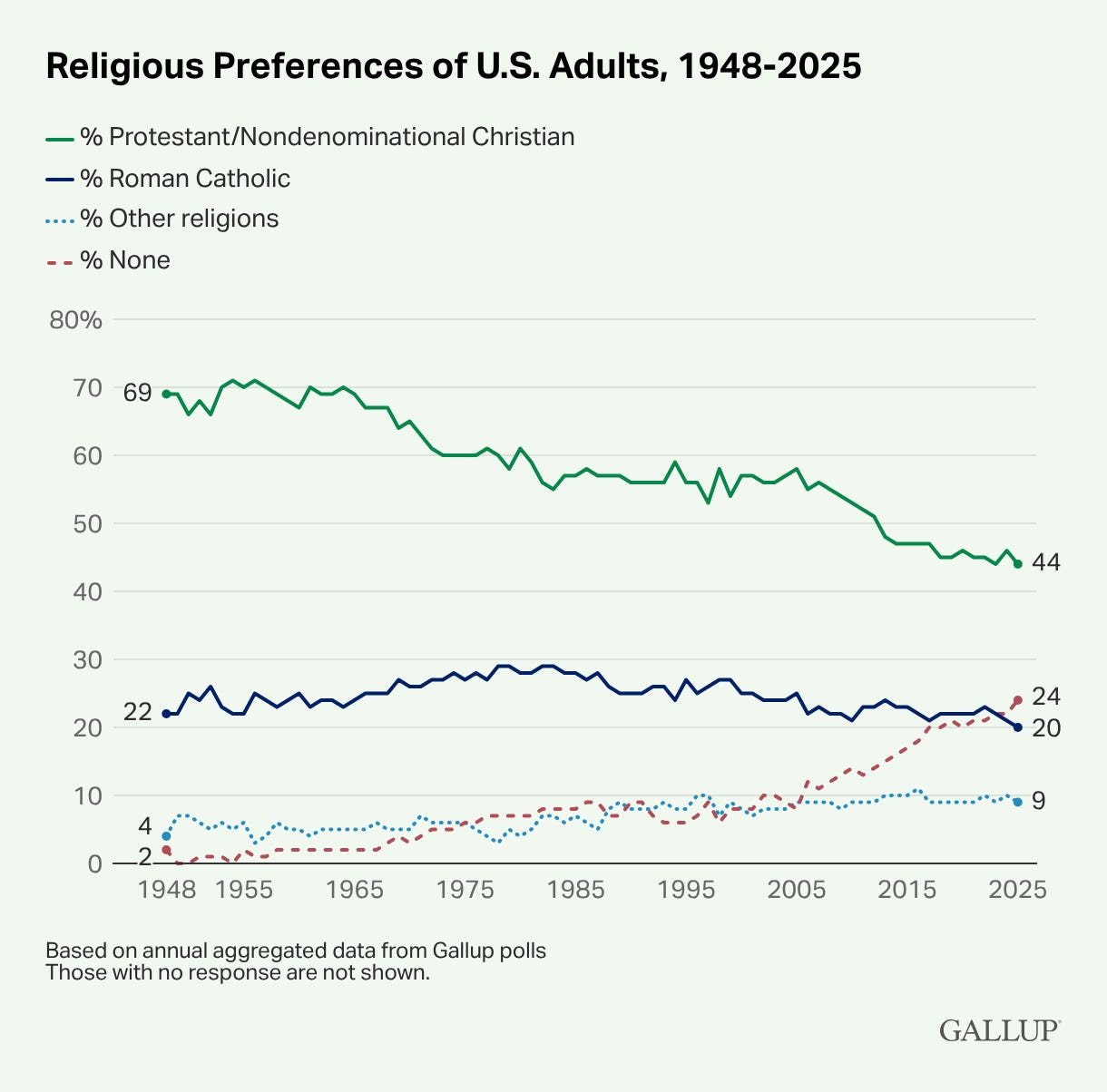
Americans have grown less religious for a long time, but recently it has been suggested that this trend is reversing. In particular, some claim that young people are becoming more religious.
It would be a surprising turn, but it’s not supported by our best evidence. In Gallup’s latest survey, the share of Americans reporting no religion continues to rise.
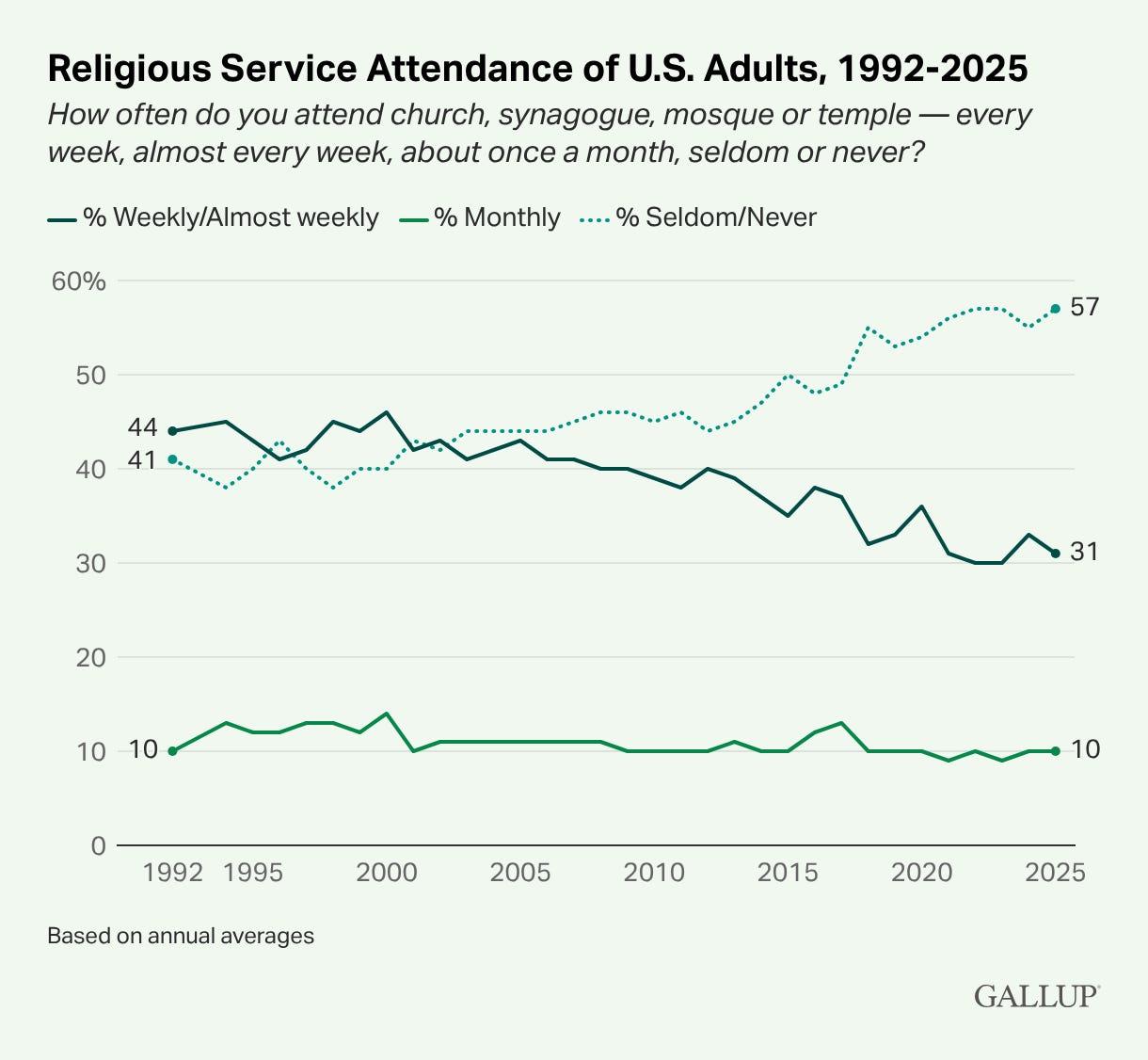
Americans also attend religious services less.
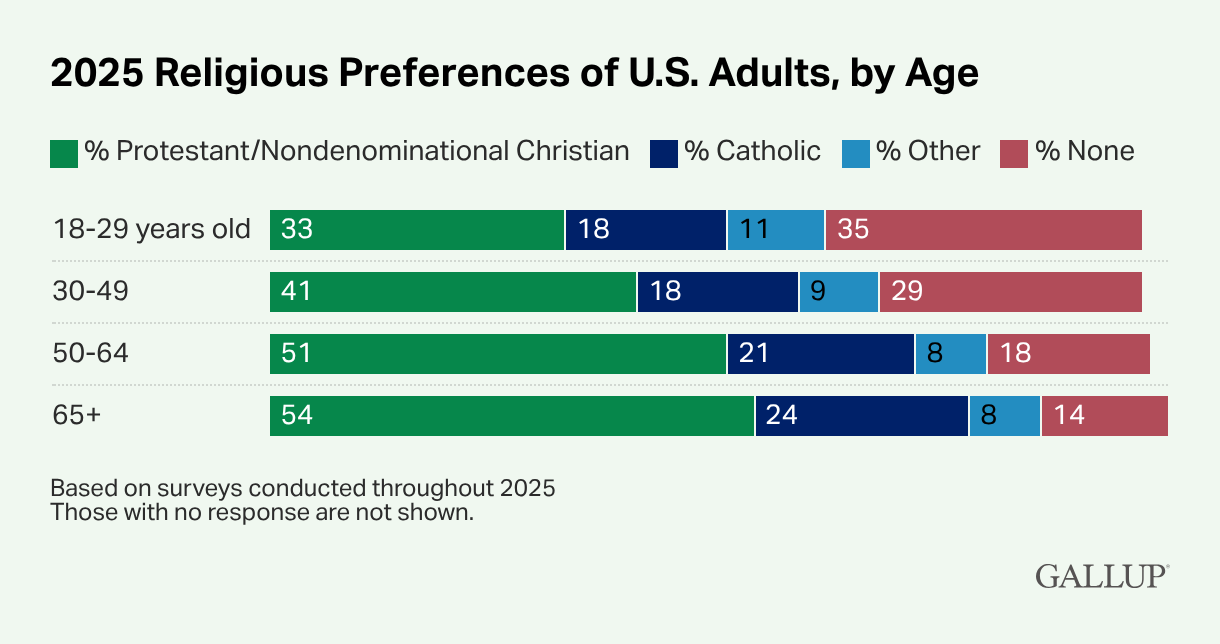
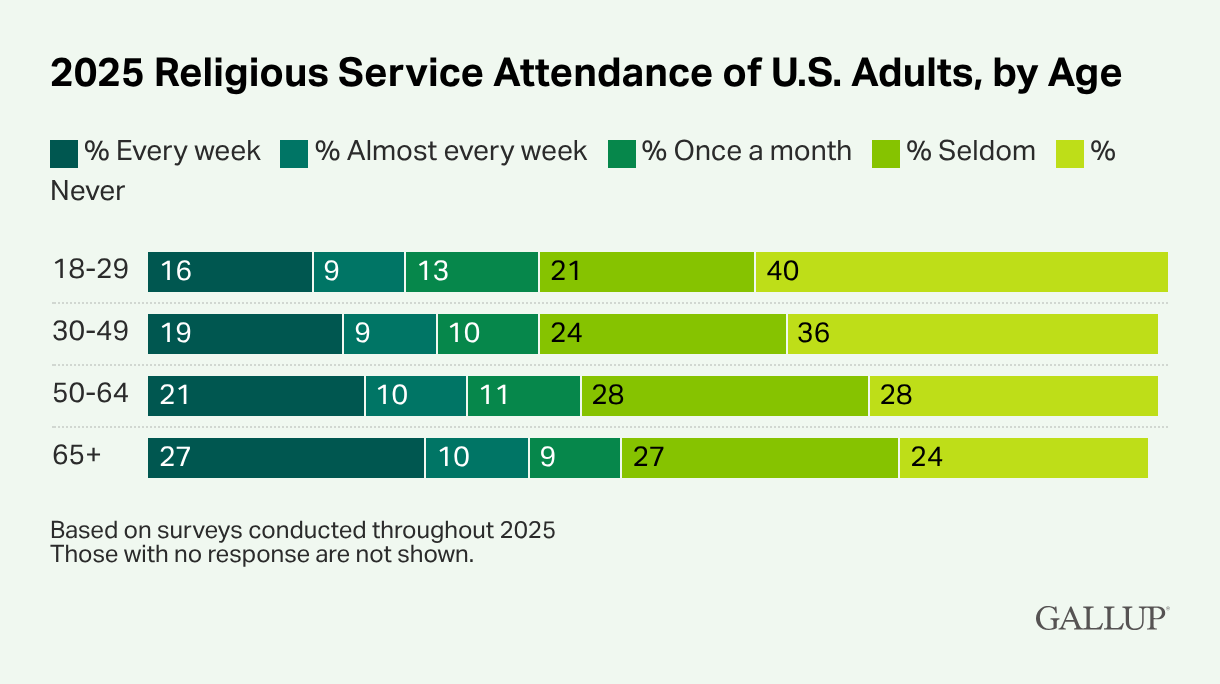
And the youngest generations remain the least religious.
Could religious people’s higher fertility be what breaks the secularization trend? Over the long term, it’s possible, but currently this effect is outweighed by the number of people losing their faith.
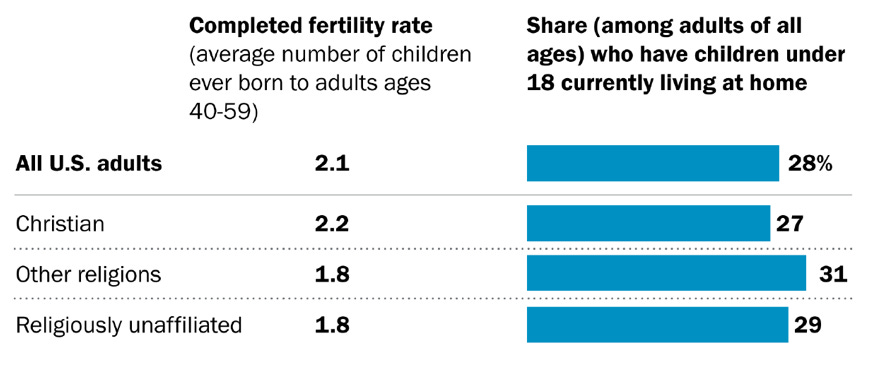
Source: Pew
MAGA isn’t antiwar
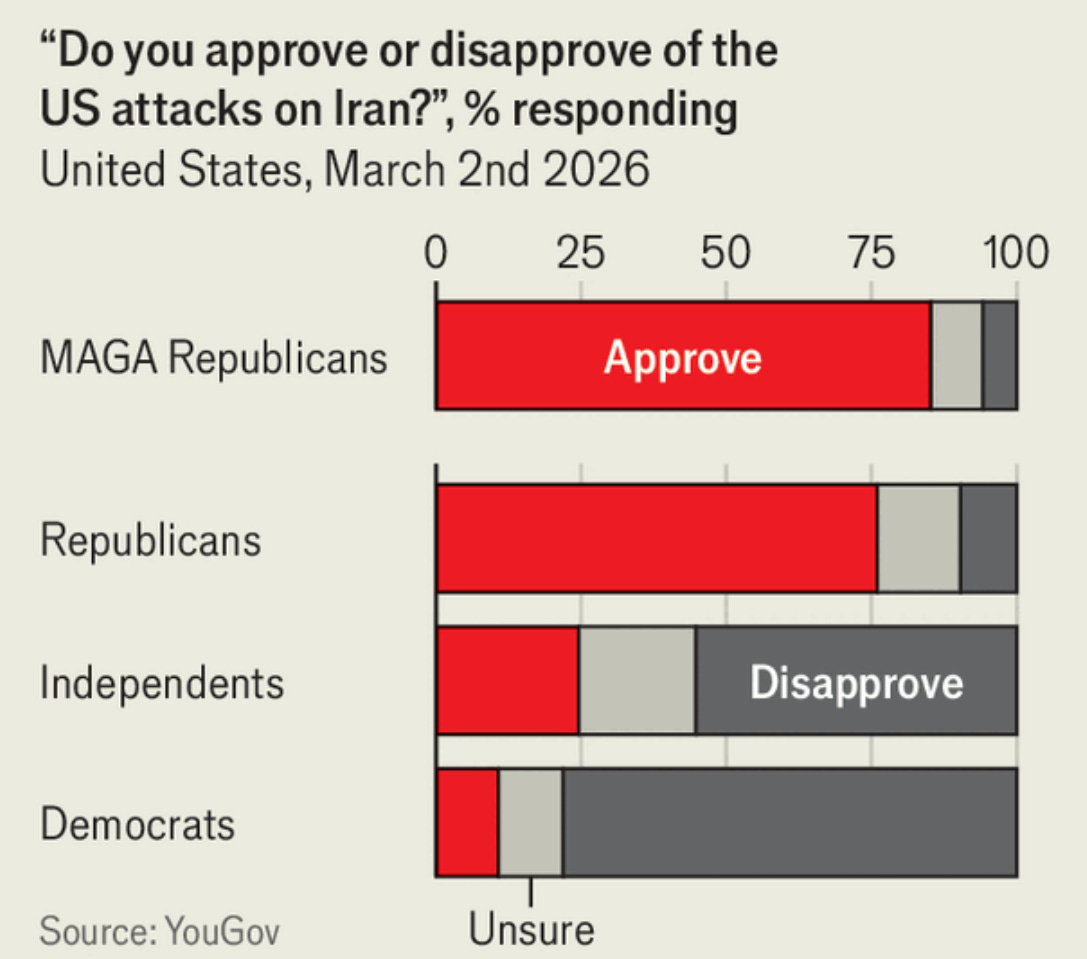
Steve Bannon, Marjorie Taylor Greene, and other prominent figures in the MAGA movement have long argued that the US should stay out of foreign wars. This may suggest that Republicans who identify as MAGA would be less likely to support the American attack on Iran than other Republicans. But in fact, the opposite is true. MAGA Republicans are especially enthusiastic about the war.
And about military intervention in general.
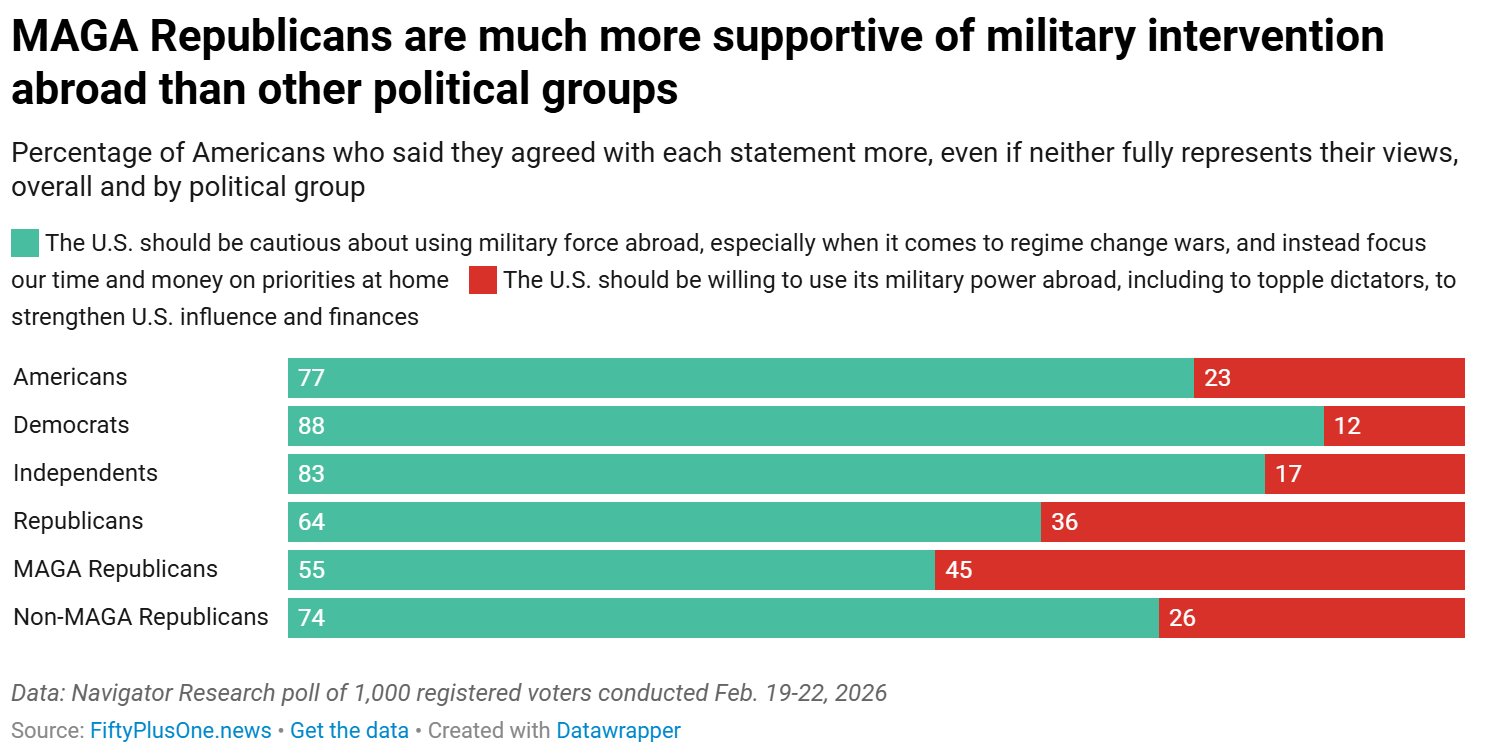
MAGA isolationism may be mostly a thought leader phenomenon.
The Iran war could cut global growth
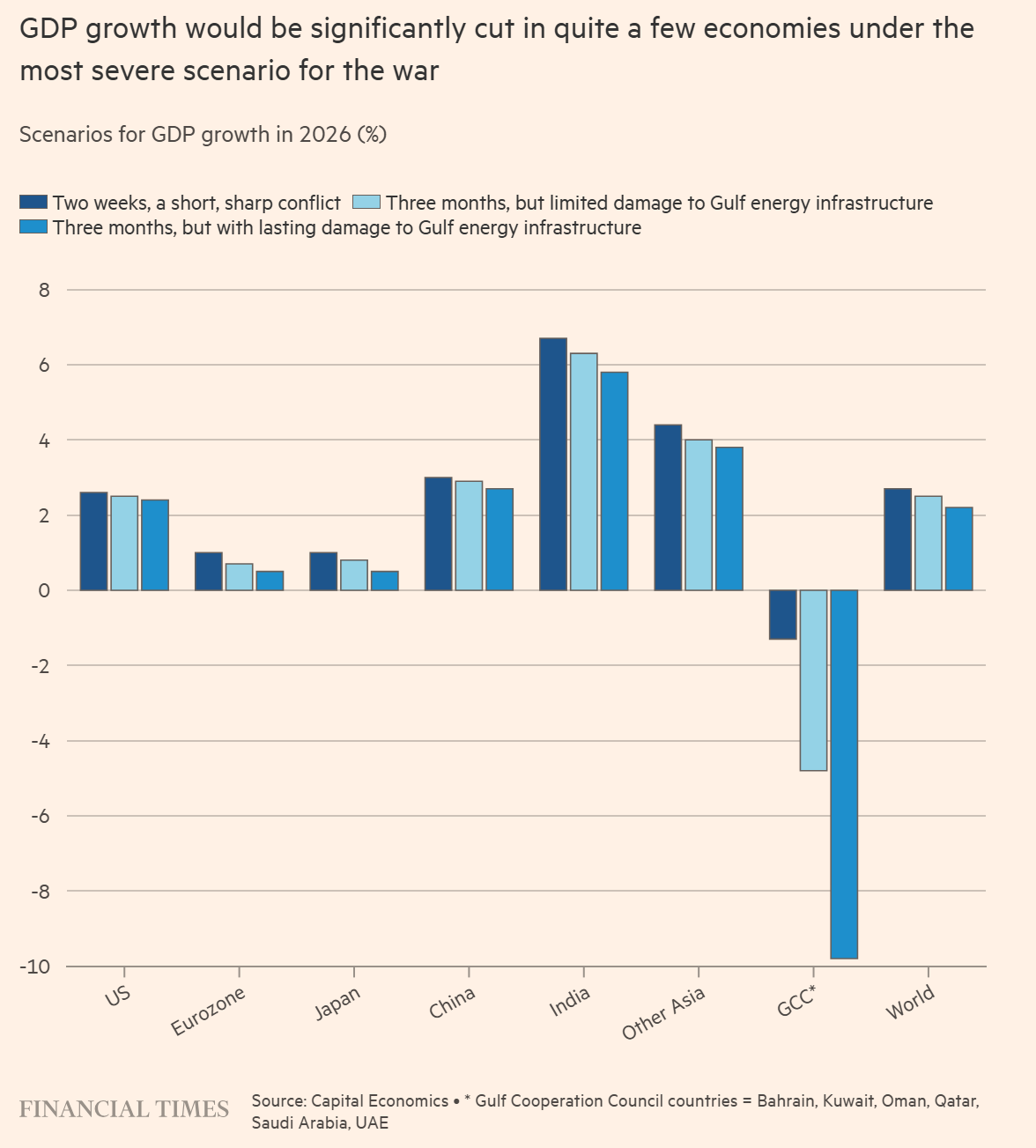
The world has become less sensitive to oil shocks than it was in the 1970s, but the war in Iran could still reduce this year’s economic growth. Capital Economics suggests that many Asian countries would be severely affected by a prolonged war, while the impact on the US economy would be more muted. The Gulf countries will obviously suffer the most, as they’re under Iranian fire.
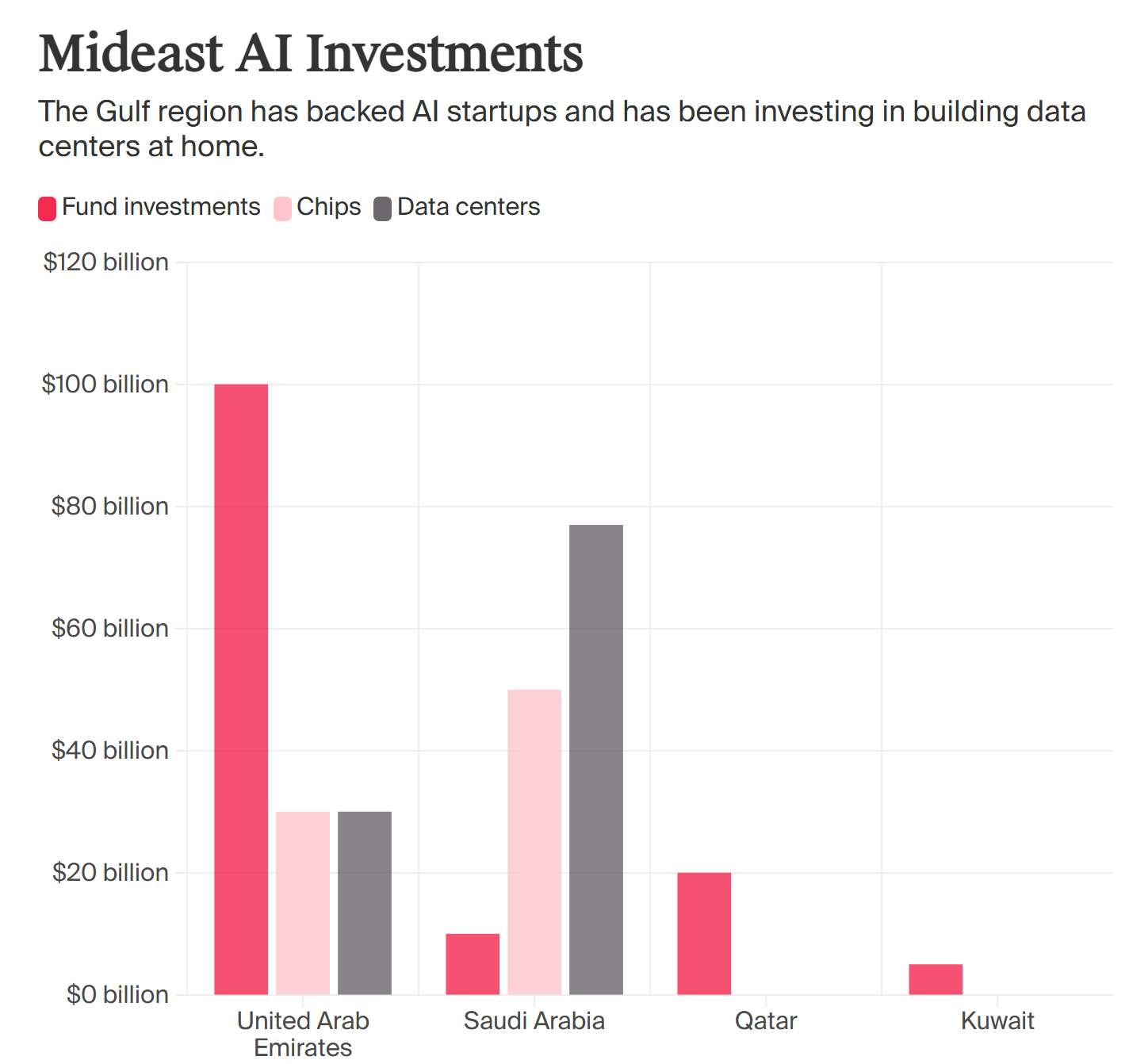
Can the Gulf still become an AI hub?
The war in Iran could also have a longer-term impact on the Gulf countries’ efforts to position themselves as an AI hub. In recent years, they have invested heavily in AI infrastructure in partnership with American companies such as xAI, OpenAI, Microsoft, Amazon, Oracle, and Google. But as drone strikes have already hit three Amazon data centers, the Gulf countries might now find it harder to convince their partners that they’re safe.
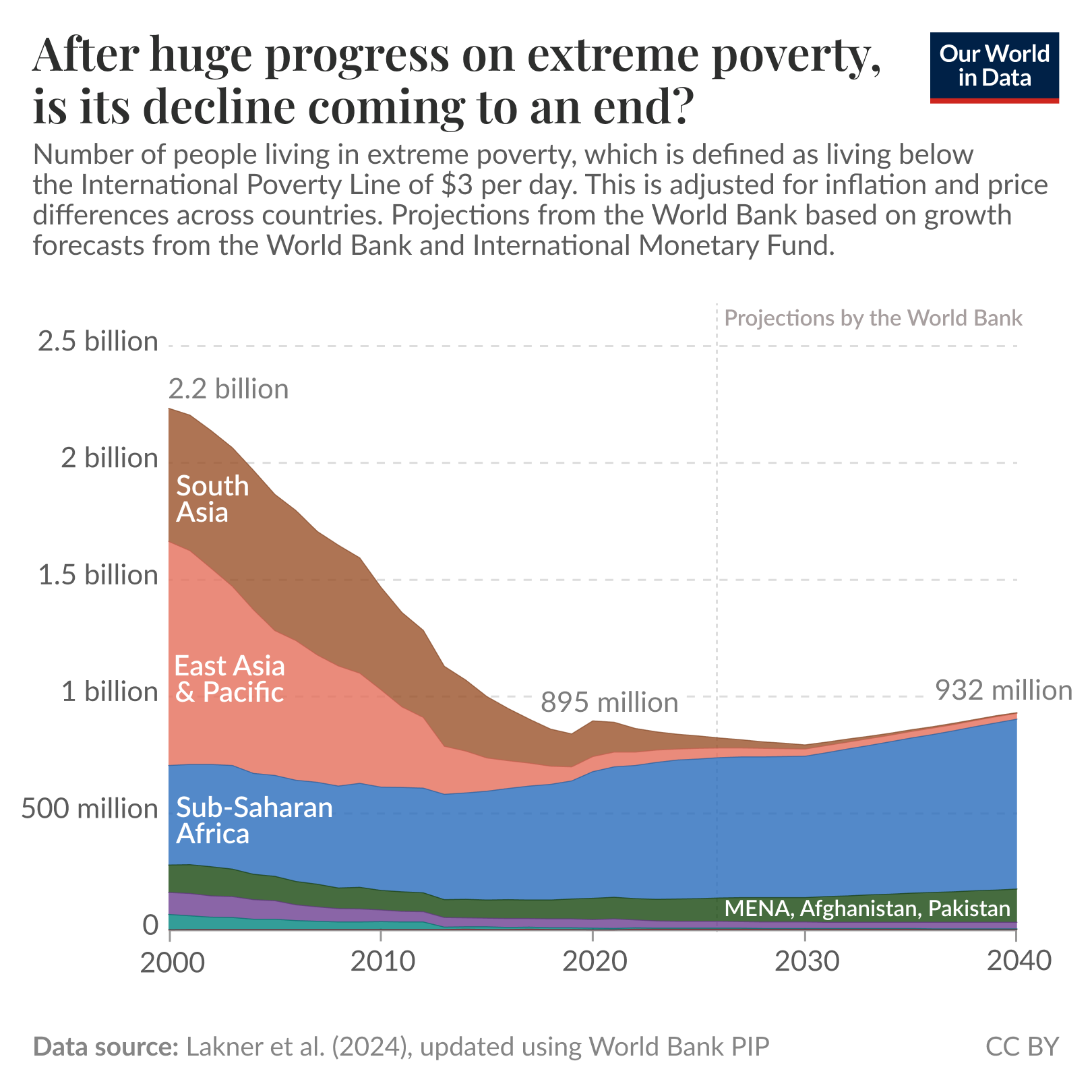
Progress on poverty is stalling
In the last few decades, extreme poverty has fallen fast thanks to a rapid decline in South and East Asia (in particular, China). But now this decline may be coming to an end. Almost all of the remaining extremely poor people live in countries with low growth and rapidly increasing populations, such as Mozambique, Madagascar, and the Democratic Republic of the Congo. As a result, World Bank researchers project that extreme poverty could even increase in the coming decades.
Clinical trials show we keep improving the scientific method
The standard framing of the history of science can lead you to think of the scientific method as a monolithic whole that we discovered during the Scientific Revolution. But in fact, our methods have gradually become more rigorous. Clinical trials are a case in point, as Saloni Dattani shows. Though it’s difficult to know whether a drug works without randomized controlled trials – where patients are randomly assigned to receive either the treatment or a placebo – they only became standard after 1962. Though it’s easy to find a positive result if you haven’t specified how you’ll analyze your data in advance, preregistration only became a requirement in the early 2000s. And though there’s often little incentive to report null and negative results – leading to inflated estimates of drug efficacy – it only became mandatory to do so in 2007 or later (depending on jurisdiction). Saloni argues that the next step is to require researchers to share anonymized data on individual patients so that other researchers can use it. The scientific method keeps improving.
In brief
In February, Russia’s advance in Ukraine slowed to a quarter of last year’s average
Microsoft files in support of Anthropic’s challenge to being designated a supply chain risk
The Works in Progress podcast on what long-lived animals can teach us about extending human lifespans
Companies that work on some of the world’s most pressing problems can’t get funded
As Claude passes DeepSeek, the four most visited AI websites are all American
A data scan finds serious errors in three percent of scientific datasets
Do you prefer AI or human writing? (Try a new browser if it doesn’t work.)
Study finds that people underestimate other people’s honesty
Regarding extreme poverty the World Bank projection needs an asterisk: Sub-Saharan Africa fertility rates have been falling for decades. And those declines have been accelerating, e.g. here is Madagascar's TFR:
https://www.macrotrends.net/global-metrics/countries/mdg/madagascar/fertility-rate
That part of the world is having the same general decline in population growth as on other continents, they're just not as far along in that fundamental social change. Unless something happens to change the current demographic trends Sub-Saharan societies will begin reaching or crossing the no-net-growth fertility level by the early 2030s. So if the total number of people in extreme poverty does bump back up during the 2030s, as the World Bank researchers posit, it would in the bigger picture be a temporary bump.
I suspect the MAGA movement is mostly just supportive of what Trump does, and so survey results would just reflect what he is doing/saying. Potentially testable if there are similar survey results from say 2023.