


Airlines could cut the climate impact from contrails by two thirds
In brief: judge pauses the blacklisting of Anthropic, fewer circumcisions in the US, and more
How to disagree about AI risk
There have been some public disputes in the AI safety community recently:
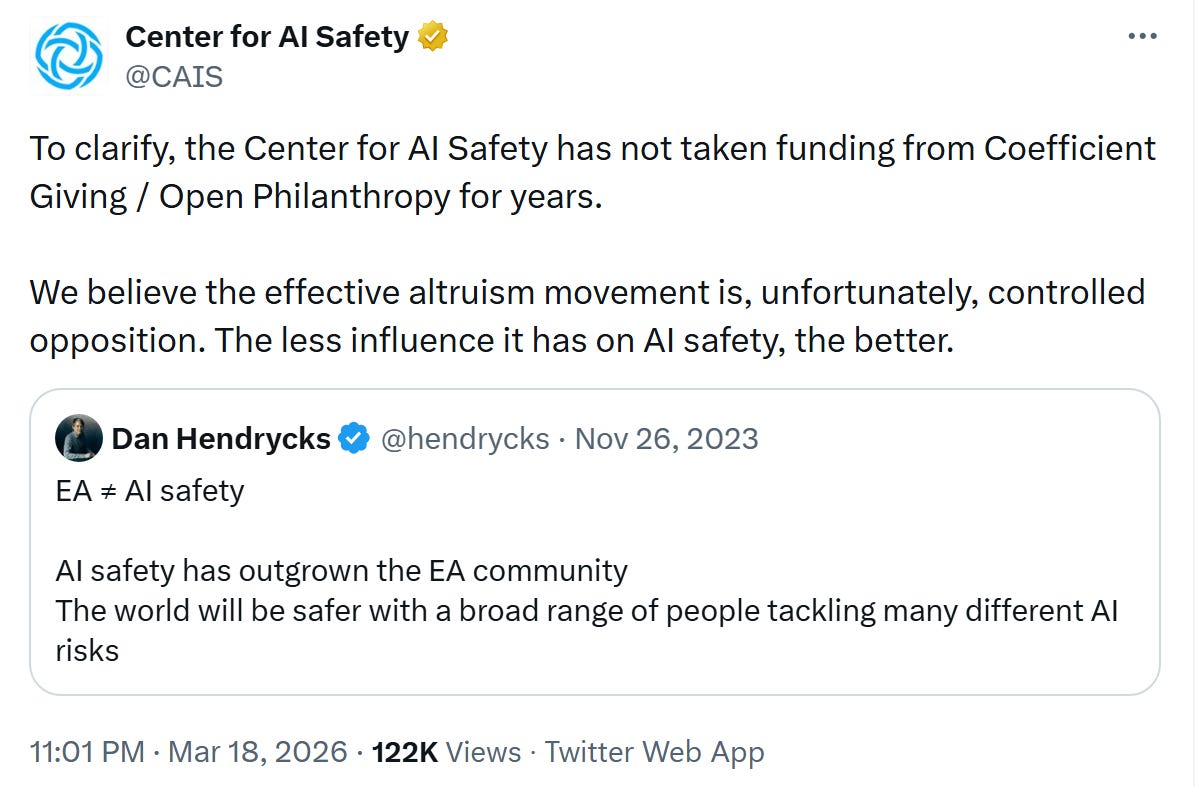
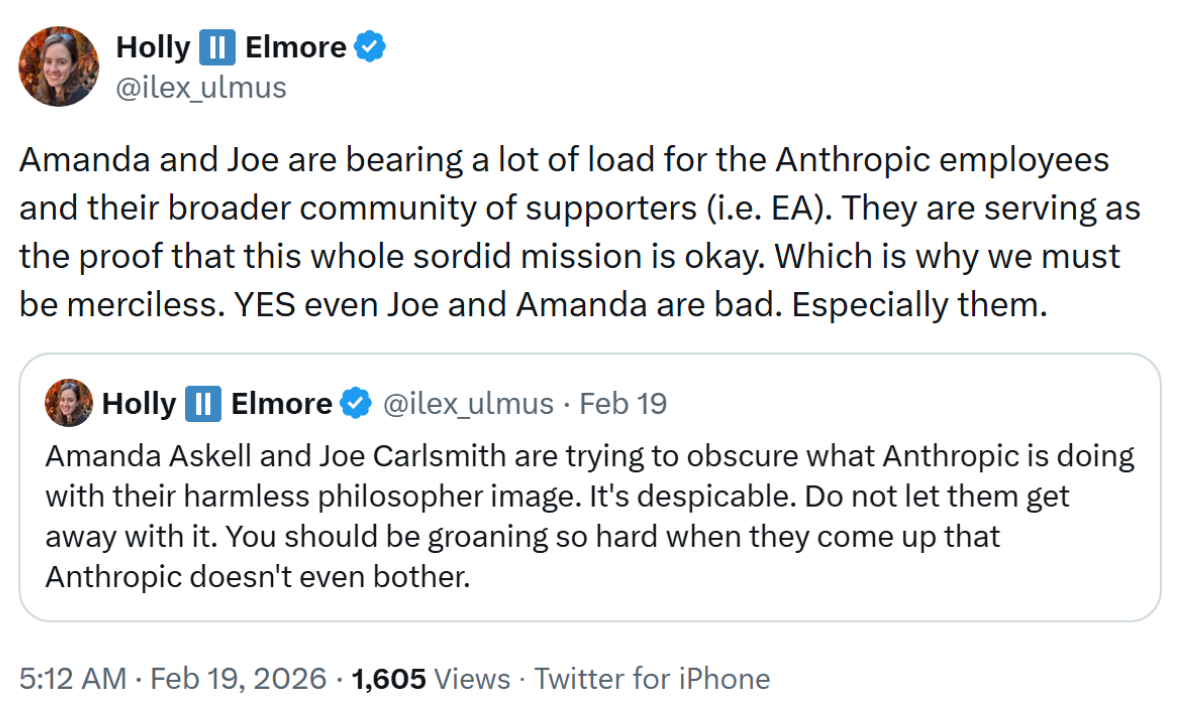
I think it exemplifies a pattern we’ve seen many times before: people being overly inclined to pick fights with others working for the same cause. But these disputes aren’t just a strategic concern: they also raise an epistemological question. If other smart and knowledgeable people disagree with you, to what extent should you trust your own judgment, and to what extent should you defer to theirs? Under the name epistemic modesty, this has received plenty of attention in the effective altruism and rationalist communities.
In this debate, I come down on the side of modesty. We instinctively trust ourselves too much and others too little, and need to adjust for that. Besides making our beliefs more accurate, I think more modesty could lead to less conflict in the AI safety community. If you’re less sure that you are right and others are wrong, you’ll be more inclined to cooperate.
How to be modest without killing the debate
But there is a further wrinkle. On Wednesday, Ian Leslie tweeted about Anthropic CEO Dario Amodei:
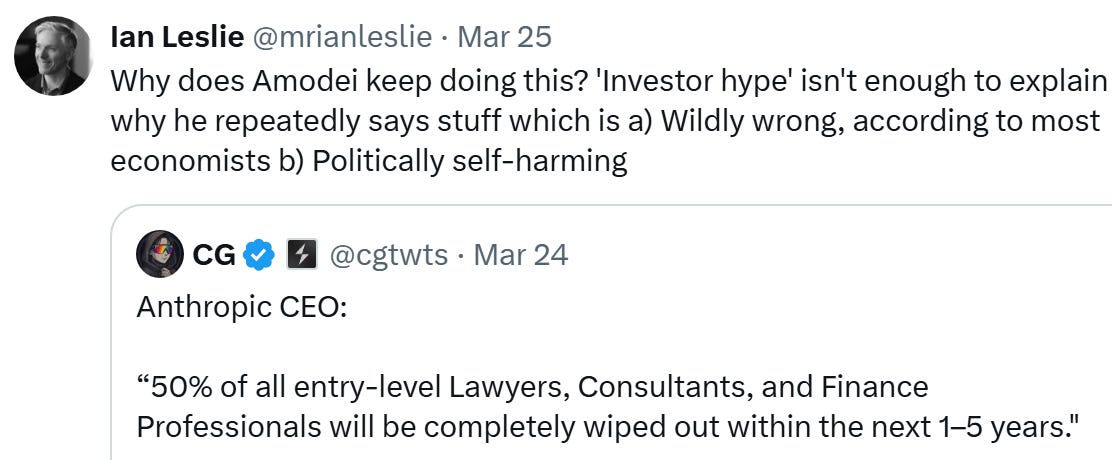
This is a modesty argument: Ian is saying that economists have relevant expertise and that Dario should defer to them. I agree in part: Dario seems too confident, given how much disagreement there is on this question. And yet, I don’t think he should simply fall in line with the economists. Dario is probably one of the people with the most knowledge about AI progress, and we need such people to share their personal views.
How can we be modest without killing the debate? Greg Lewis suggests an elegant solution: ‘distinguishing “credence by my lights” versus “credence all things considered”’.
So one can say ‘Well, by my lights the credence of P is 0.8, but my actual credence is 0.6, once I account for the views of my epistemic peers.’
I think this is a good norm, and encourage people to follow it whenever they can. But I doubt it will fully resolve the problem. It’s not just that public discourse doesn’t reward this kind of careful distinction. It’s that the distinction itself is hard to draw. Our private views are tacitly infused with deference to others.
But while I wouldn’t require Dario to state his credence by his lights and his credence all things considered, he could acknowledge that relevant experts disagree with him and indicate if it moves him. I think that if people did this more, the debate would be both better informed and less heated. Most of us are more likely to engage with someone who signals that they take our views seriously.
Self-driving cars could cause gridlock unless we tax them
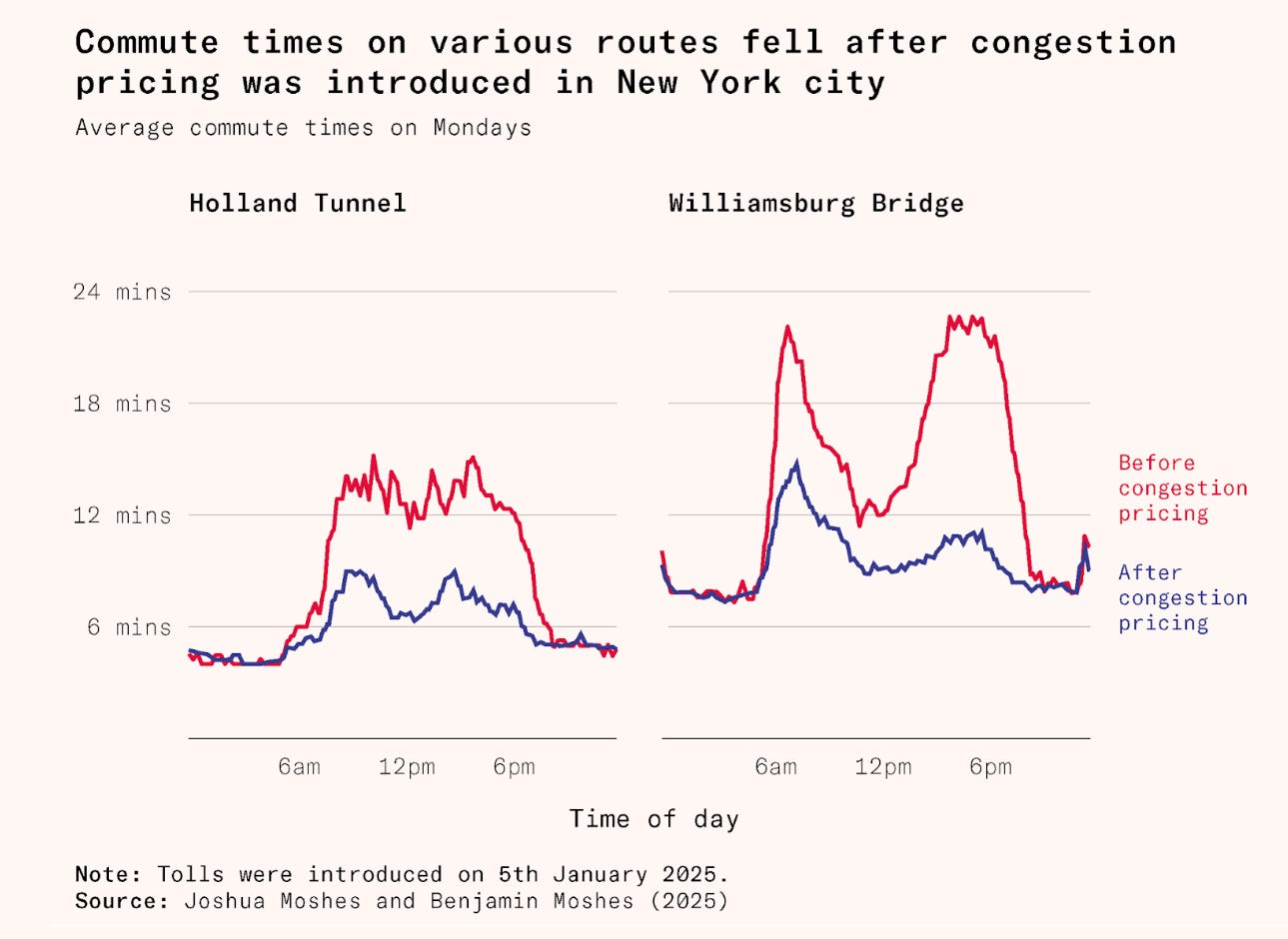
How will self-driving cars change the way we use roads? In Works in Progress, Ben Southwood argues they could cause widespread congestion. When you can sleep or work in the car, people will use it far more. To prevent gridlock, Ben proposes road pricing for self-driving cars. And he suggests we do it now, as people will resist it far more once self-driving cars are common.
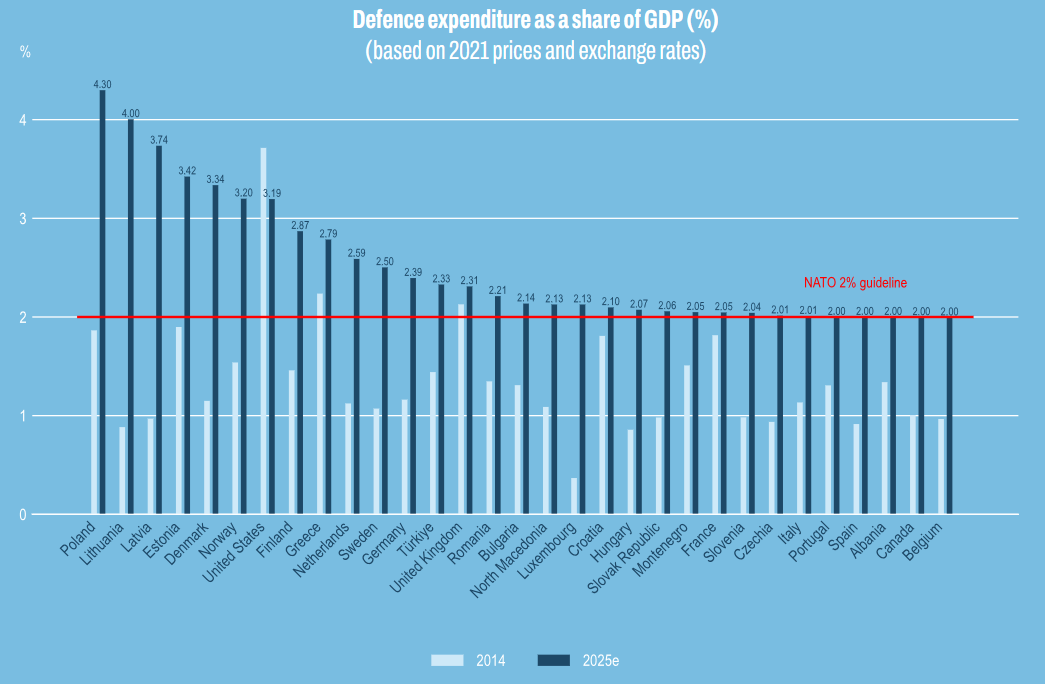
The US drops in NATO’s spending ranking
In 2014, the US spent more of its GDP on defense than any other NATO member. But as the threat from Russia has led European countries to increase their spending, the US has dropped to seventh place.
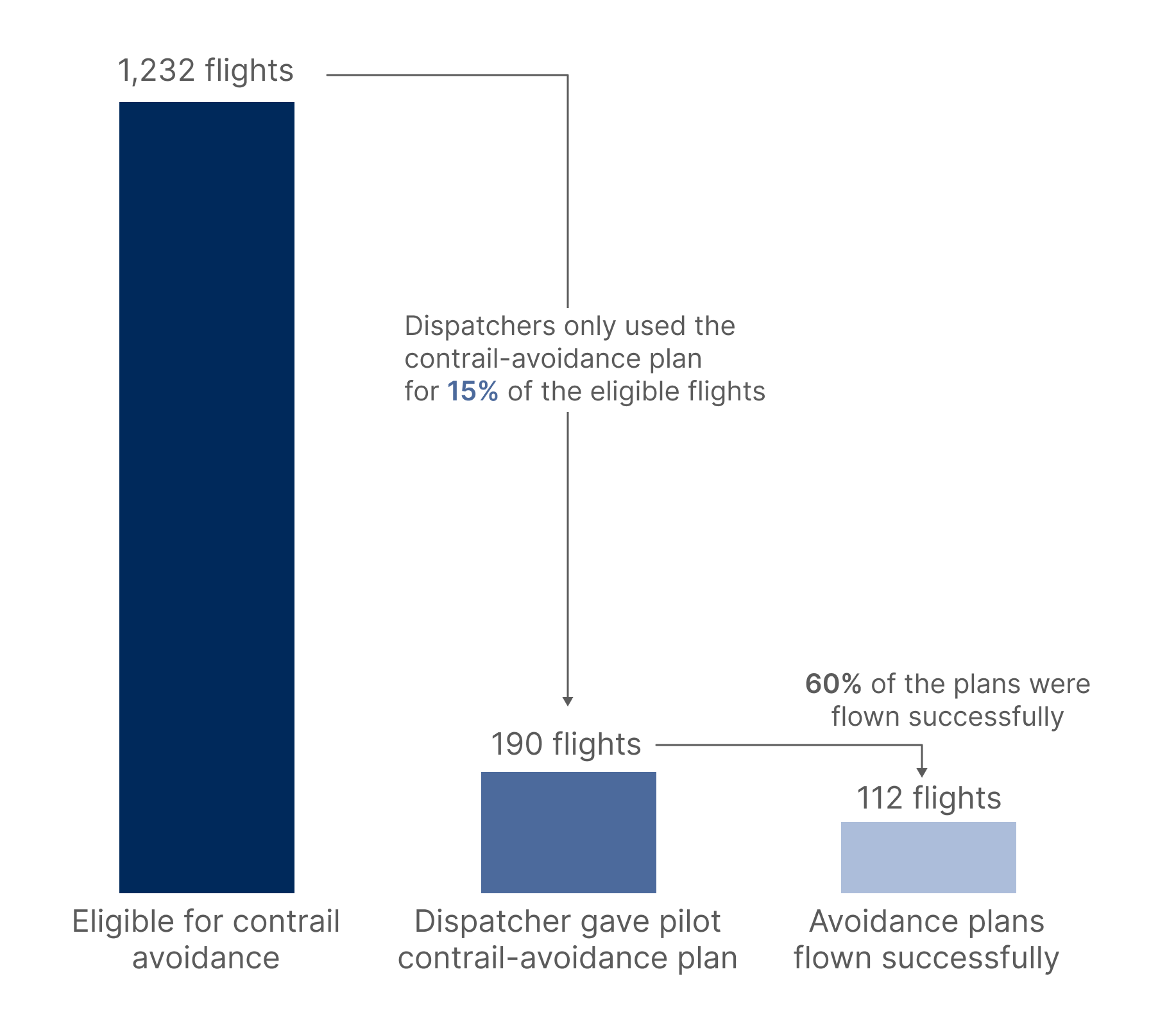
Airlines could cut the climate impact from contrails by two thirds
Two percent of humanity’s climate impact comes from contrails, the clouds that form when planes fly through cold and humid air. A recent trial found that rerouting planes to slightly different altitudes can cut this impact by nearly two thirds. But as adoption was voluntary, airline planners chose the alternative route for only 15 percent of flights – and 40 percent of them weren’t flown as planned. The technology is here: now we need airlines to use it properly.
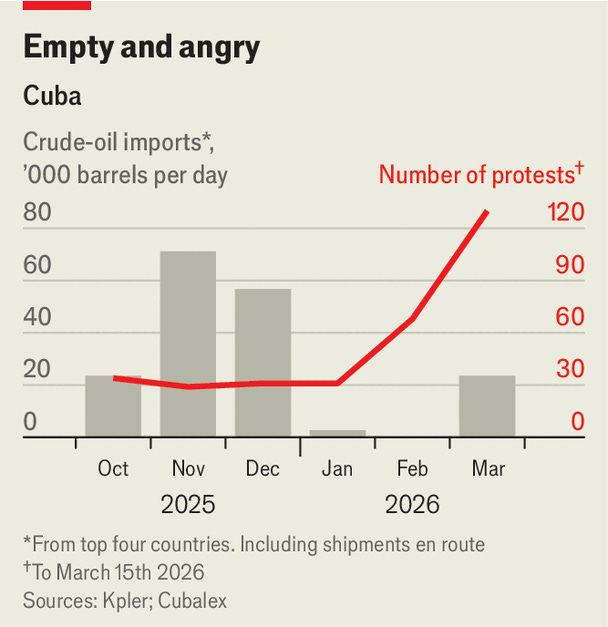
Rising protests in Cuba
Over the last five years, Cuba’s economic crisis has led almost a quarter of the population to emigrate. Now the US has tightened its blockade further, threatening tariffs on countries that export oil to Cuba. Blackouts and fuel shortages have sparked a wave of protests, including an attack on a Communist Party office. Polymarket gives a 64 percent chance that Cuba’s leader Miguel Díaz-Canel is out by the end of the year.
In brief
Britain expected to suffer the most from the Iran War out of all large economies
Drones intrude on Louisiana air base, forcing it to shut down
Iran says it will charge fees for shipping in the Strait of Hormuz after the war
AI models are much worse when queried in languages other than English
Scotland’s financial system drove its success during the Industrial Revolution
David Oks argues that the spreadsheet made American companies more shortsighted
A commendable use of the “credence by my lights” versus “credence all things considered” distinction (or “independent impressions” versus “all-things-considered beliefs”: https://forum.effectivealtruism.org/topics/independent-impression) in the context of AI safety discourse is Geoffrey Hinton’s. In answering a question about his “p(doom)”, Hinton notes that, while his independent impression is +50%, his all-things-considered belief is closer to 10–20%, because the average independent impression of the people he respects is considerably lower than his (https://www.youtube.com/watch?v=PTF5Up1hMhw&t=2283s).
Kind of weird to read the Hopkins link about circumcision rates going down and see it going on about the “well-documented benefits of the procedure”. Given what I’ve read about the slim benefits of the procedure unless you’re talking about adult males in Africa exposed to high HIV risk, I’m not surprised people are losing faith in the health authorities, particularly in the US. That whole page is full of unequivocal statements supporting circumcision, quite unlike the consensus in the rest of the world.