


Welcome to The Update. Today, I’m covering research across the social and natural sciences, along with new releases from Works in Progress and Asterisk.
The share of children with a secret dad is far below 10 percent
Why so few bootmakers lost their jobs during the Industrial Revolution
Europeans spend more time on household chores than Americans
In brief: the history of wargaming, how to fix drug development, and more
Women don’t think 80 percent of men are below average
You might have seen this chart by Christian Rudder, founder of the dating site OkCupid.
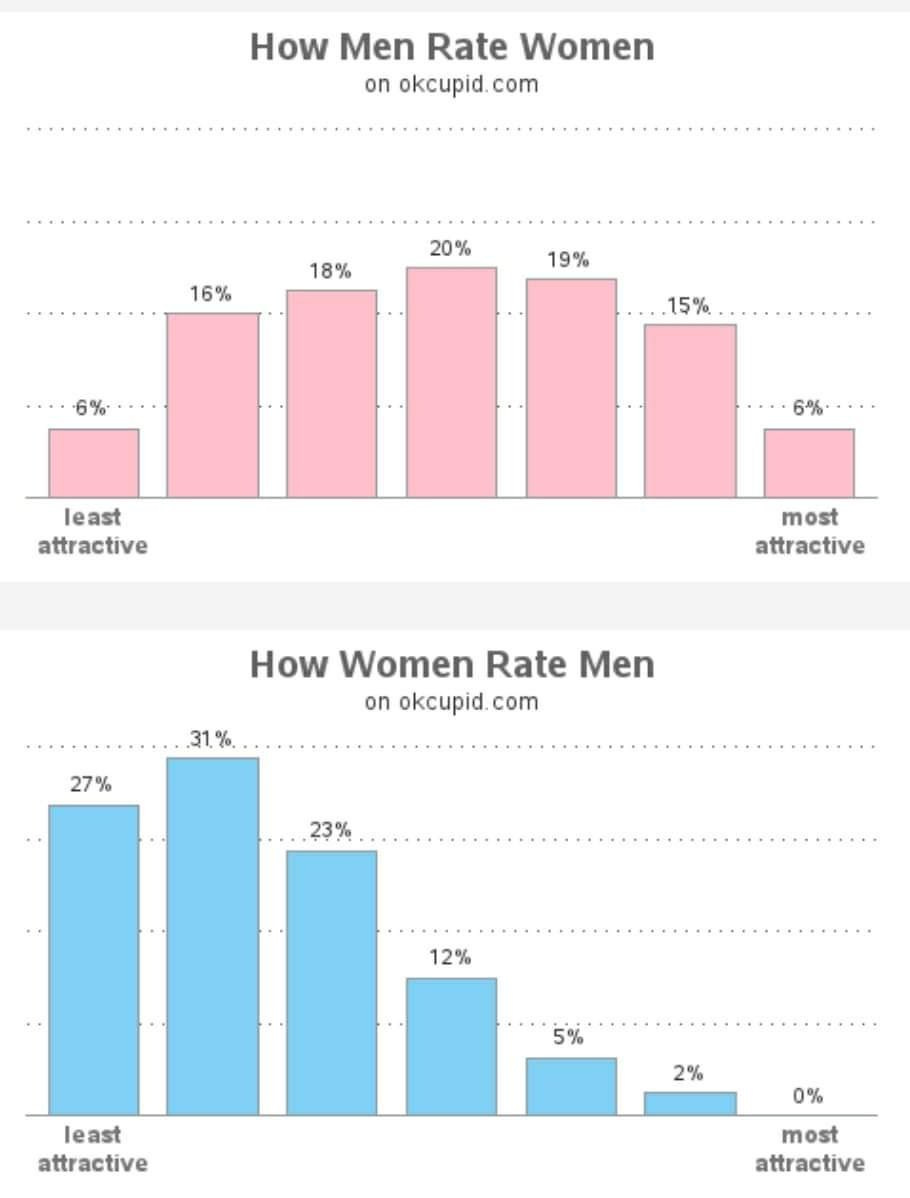
While men’s ratings of women roughly follow a normal distribution, women’s ratings of men are decidedly skewed. More than 80 percent of men are rated below average.
This chart tends to go viral whenever someone shares it on social media. It fits a stereotype many people find both funny and true.
But let’s look at other studies. In the social science literature, men do tend to rate women higher than women rate men, but the difference is usually much smaller than the OkCupid chart suggests. Take this 2003 study of American participants, where women’s ratings of men sit almost exactly at the midpoint:
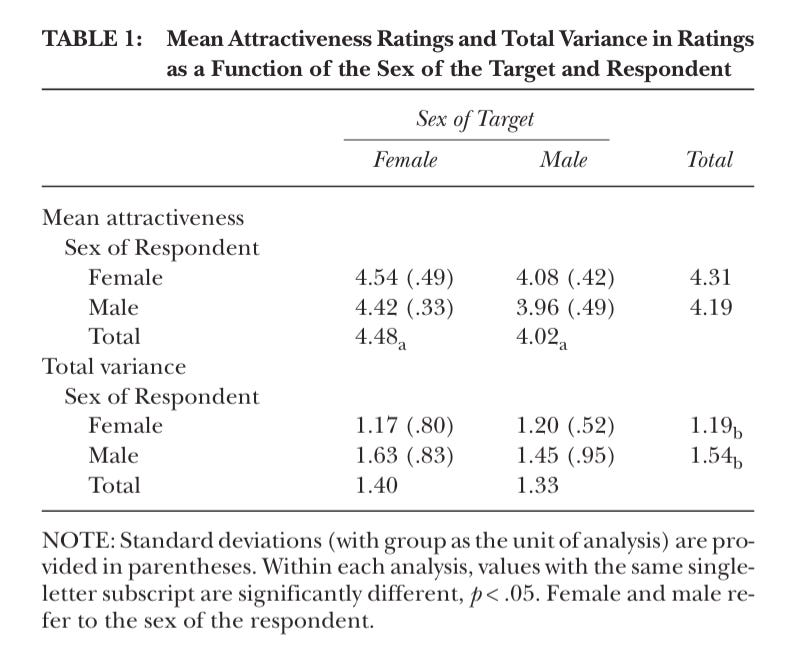
The US General Social Survey doesn’t distinguish by rater sex, but the overall ratings rule out women finding 80 percent of men unattractive.
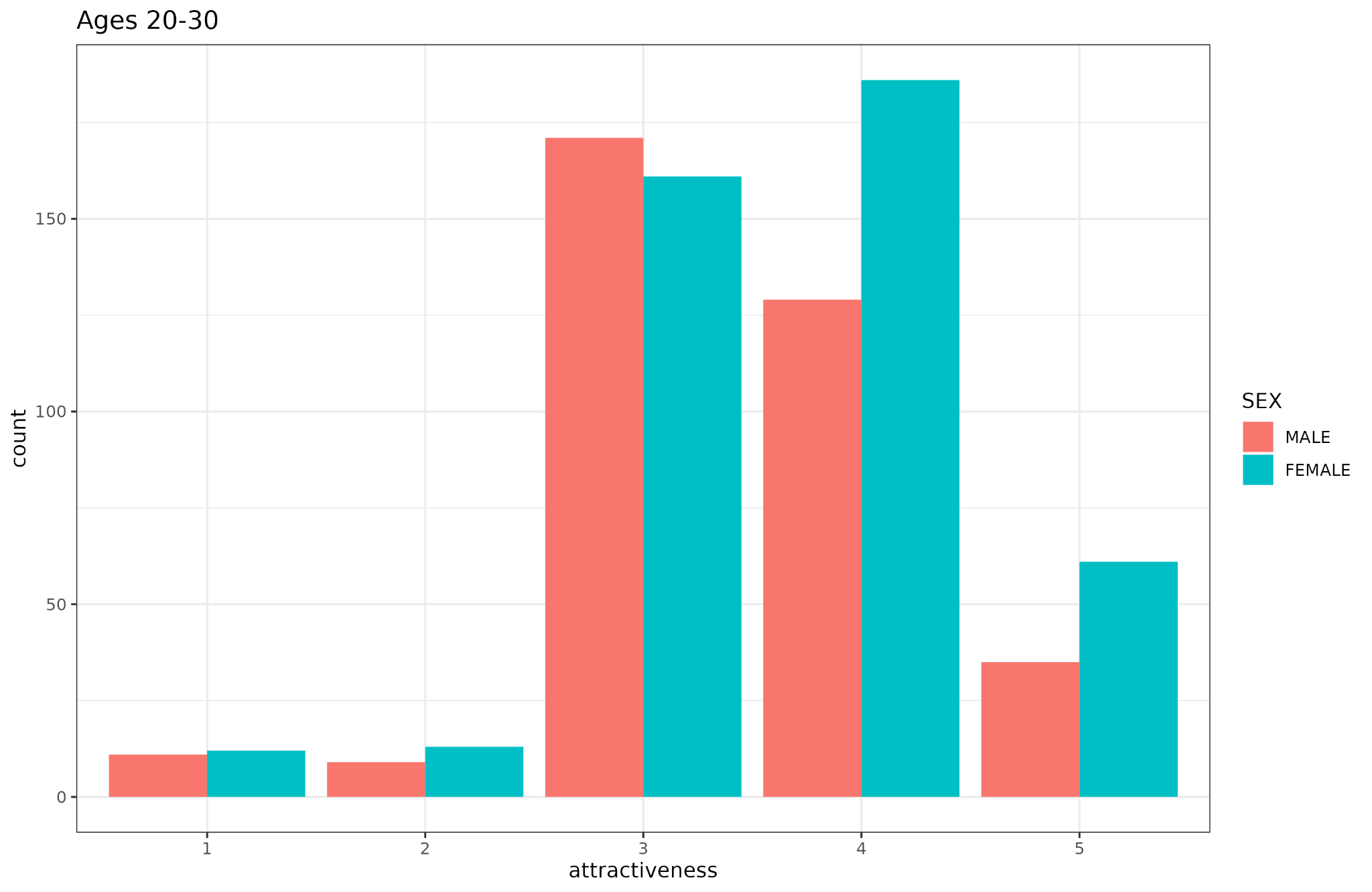
So do the ratings in an equivalent German study of 20–30-year-olds:
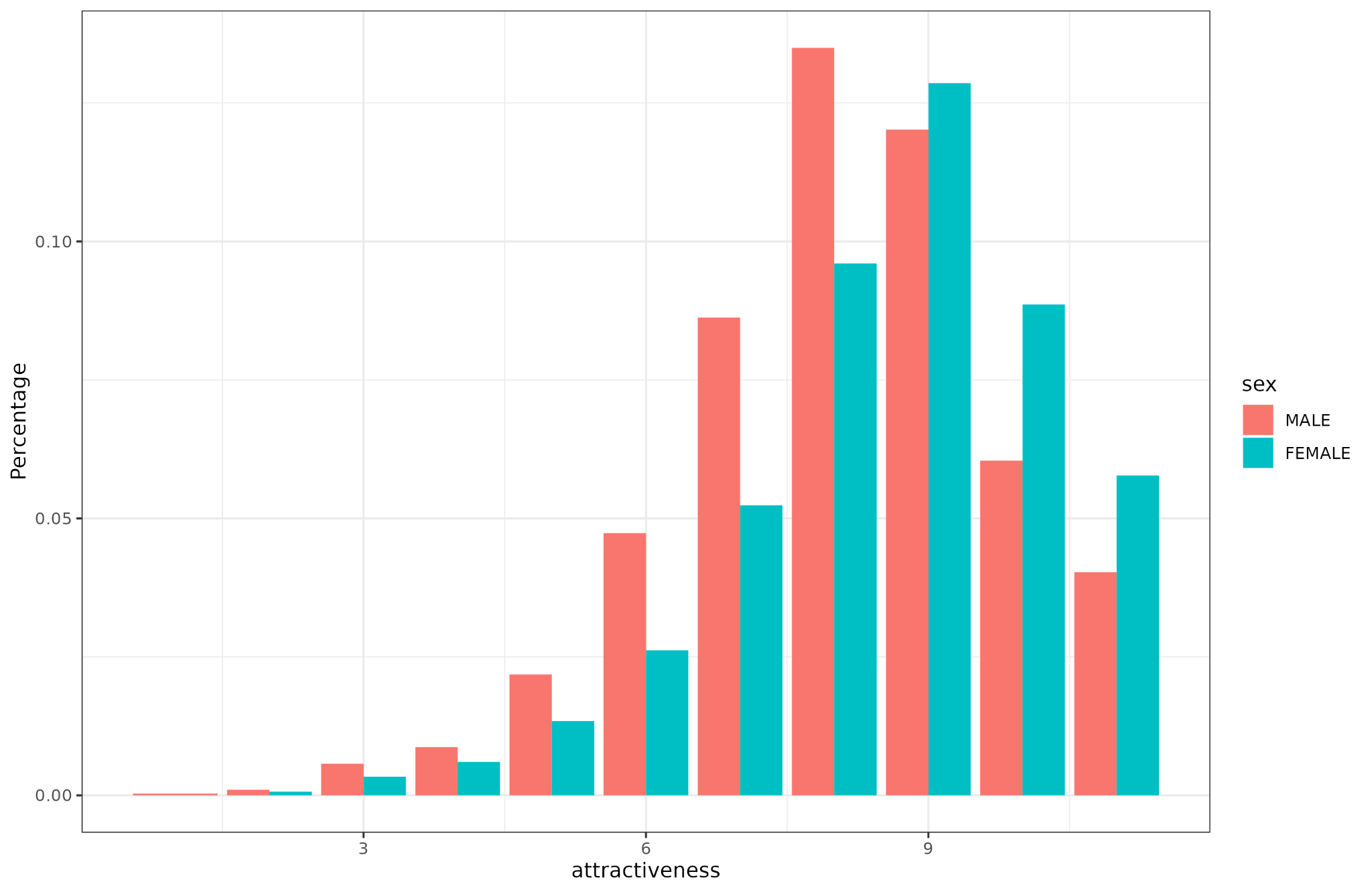
It’s not clear why the OkCupid chart looks so different, but the overall body of evidence shows that it hugely exaggerates sex differences in attractiveness ratings.
The share of children with a secret dad is far below 10 percent
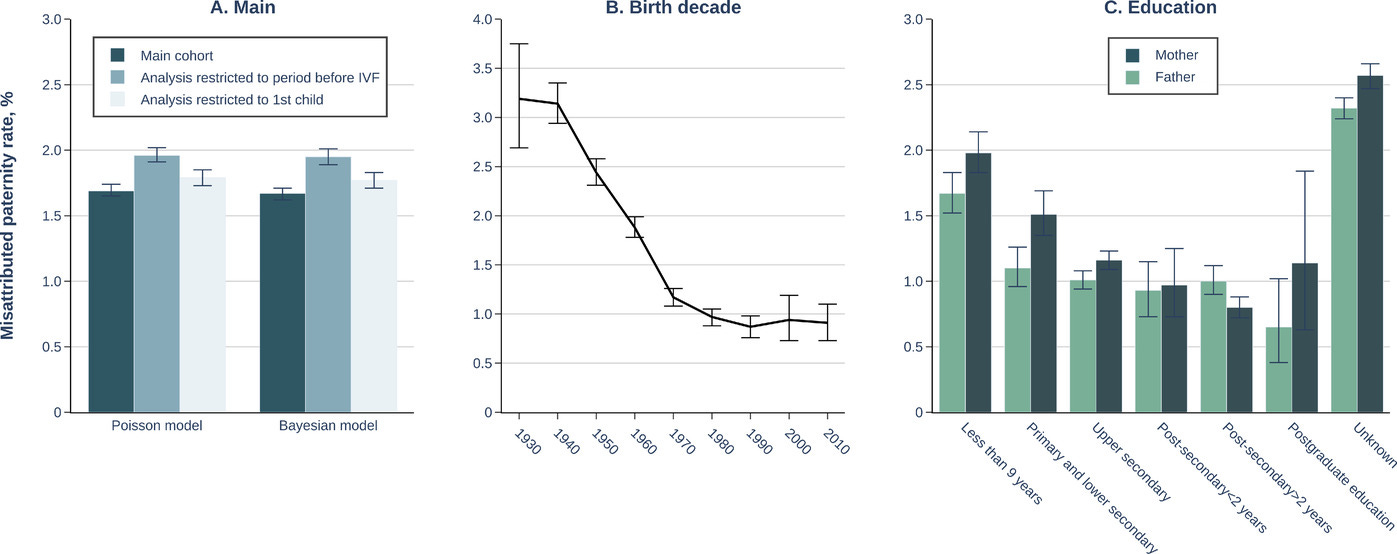
Since people enjoy juicy stories, they often spread far beyond what the evidence supports. Another example is the widely believed claim that one in ten children has a different father than they think. This case is slightly different because some scientific studies have actually reported such numbers, or even higher. But many of those studies were based on biased samples, such as people who already had doubts about paternity. In rich countries, more representative studies find much lower rates of misattributed paternity. And they have likely fallen over time, partly thanks to better contraception. A Swedish study of nearly two million families based on blood group data found that the rate of misattributed paternity fell from around three percent in the 1930s to about one percent by 2010.
Why so few bootmakers lost their jobs during the Industrial Revolution
The Industrial Revolution increased productivity, reducing the need for many types of workers. But in a paper on the British bootmaking industry, Hillary Vipond shows that this didn’t necessarily result in many individuals losing their jobs. While much artisanal bootmaking disappeared, the decline was slow enough that most existing bootmakers could continue working in their trade. Instead, the main driver of the shift was young people going into other jobs.
Some think this is how AI will play out, but I think we should be careful with this analogy. One issue is the speed of AI progress: if an industry automates quickly enough, existing workers are bound to be affected. Another is that there might not be other jobs to move into. There’s no reason AI couldn’t eventually do all the jobs humans can do.
Europeans spend more time on household chores than Americans
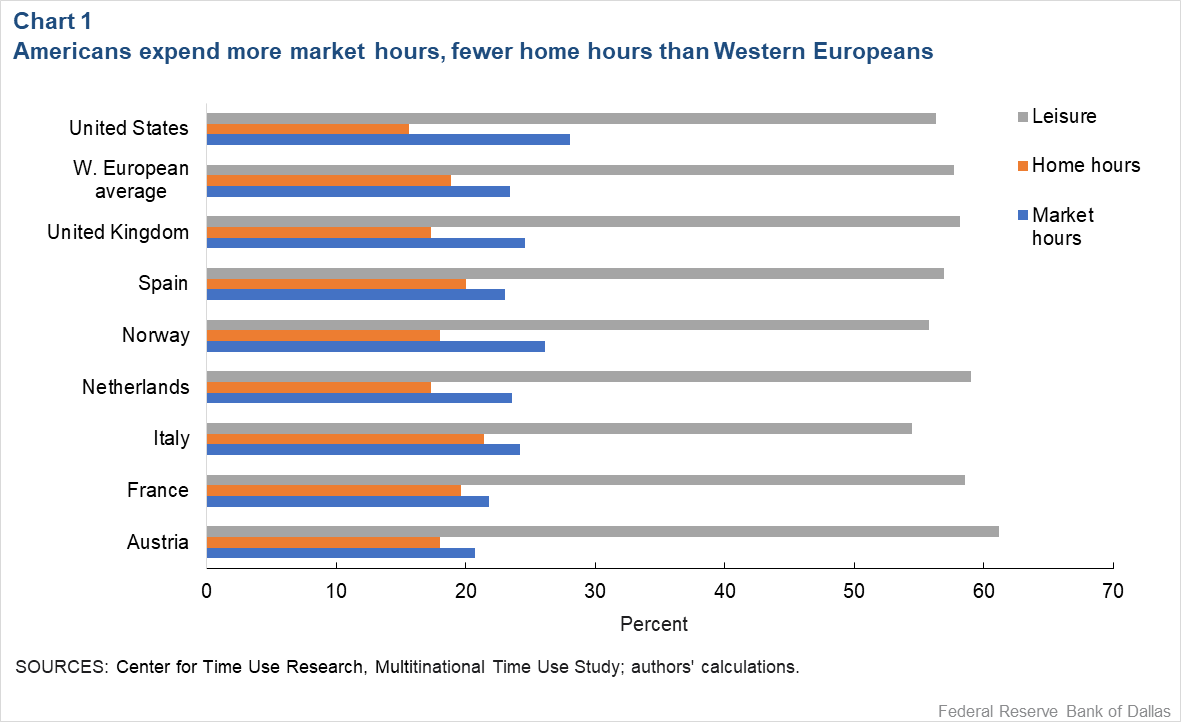
A common explanation for why Americans are so much richer than Europeans is that they simply work more. But it depends on how you count. If you consider household labor, the gap in total working time is only two percent, according to a Dallas Fed paper. Higher taxes and transfers incentivize Europeans to do less paid work and more unpaid work at home.
Why Britain stopped building nuclear power
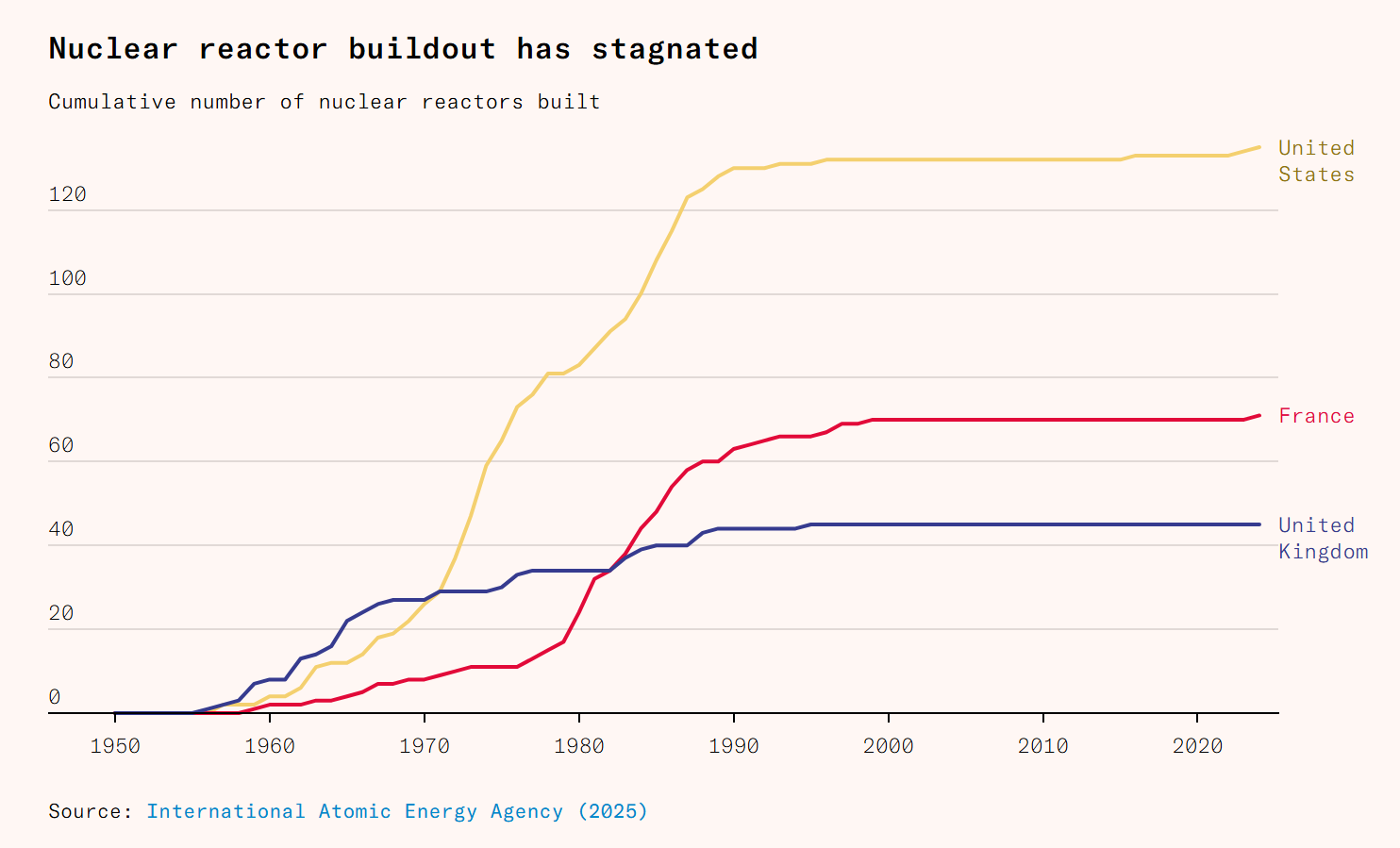
Britain was an early adopter of nuclear power, building reactors faster than countries like the US and France. But construction slowed sharply in the 1970s, and no new reactor has been completed since 1995. In Works in Progress, Alex Chalmers explains what happened. Contrary to what I’d thought, it wasn’t primarily disasters like Three Mile Island and Chernobyl that brought British nuclear to a halt. While they did contribute at the margin, the main cause was a series of dubious decisions in Britain itself: dumping nuclear waste at sea, awarding contracts to failing firms, and hiding the true costs of nuclear power. These mistakes produced political resistance and onerous regulations that made further nuclear construction prohibitively expensive.
In brief
In Asterisk, Clara Collier and Angela Chen interview historian Jon Peterson about the history of wargaming and how it gave rise to role-playing games
On the Works in Progress podcast, Ben Southwood and Saloni Dattani talk to Ruxandra Teslo about why drug development keeps getting more expensive and how to fix it
AI systems match or exceed human economists at a standard causal inference task
Scientists use airborne DNA to monitor biodiversity and invasive species
The piece has a structural problem that undermines its stated purpose. "News that shifts your beliefs" promises rigorous belief-updating, but what's actually on offer is vibe-shifting: replace a scary statistic with a friendlier one, let the juxtaposition do the work, and call it debunking.
The OkCupid section is the clearest case. The Rudder data is revealed-preference: women on a dating platform rating men they might actually message. The counter-studies are stated-preference: survey respondents performing neutrality under social desirability pressure. These are not the same behavioral unit, and conflating them isn't a debunk. "It's not clear why the OkCupid chart looks so different" is not an explanation. It's a shrug dressed as epistemic humility.
The misattributed paternity section commits the same move in a different register. Studies reporting high numbers are dismissed as "biased samples" without any demonstration that the Swedish blood-group study is more representative. The reader is just asked to trust the credibility differential Schubert asserts.
What the piece is actually modeling isn't careful reasoning—it's the *aesthetic* of careful reasoning. Charts and citations do visual-methodological labor without doing analytical labor. The arguments are barely made, the counter assertions are still expecting a lot of unearned credulity from the audience, just like the original assertions supposedly being debunked. The whole thing gives off paltering vibes.
I think the distinction between home production and leisure is not clear cut enough to support this analysis. Nobody likes doing laundry, but cooking, gardening, shopping, home renovation, child care, and more are all activities that are both home production and things people intentionally want to do more of.